Boze Titanium Manufacturing Center Blog: Expert Insights on Titanium Manufacturing
In-depth engineering guides, case studies, procurement guides, material science, and manufacturing insights from our AS9100D-certified titanium CNC facility.
Explore by topic cluster
Each cluster is a curated knowledge hub — a pillar page plus every article on the topic.
Materials & Grades
Titanium Materials & Grades — Engineering Reference
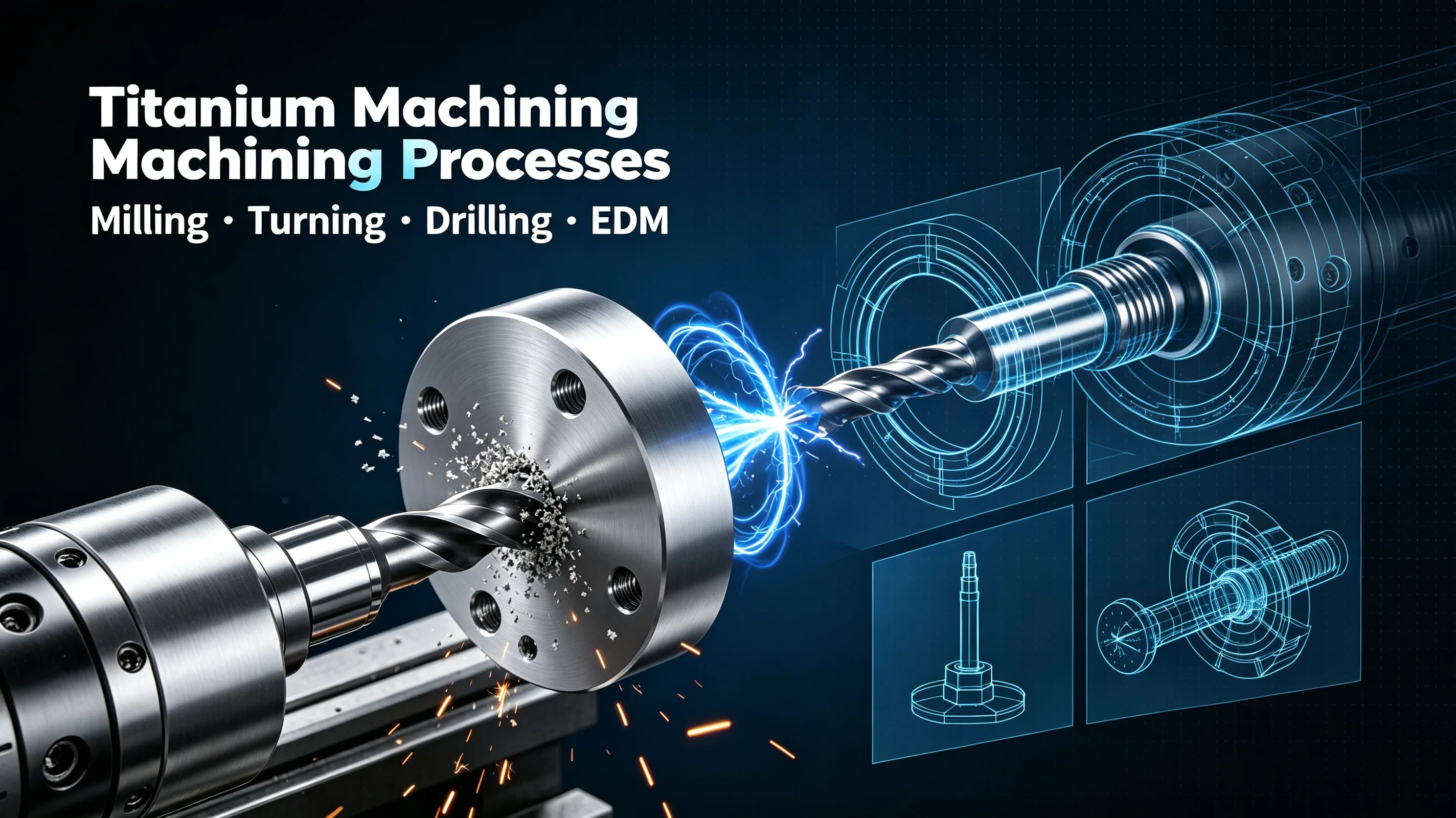
Machining Processes
Titanium Machining Processes — Milling, Turning, Drilling & EDM
Design & DFM
Design for Machinability — Titanium Part Engineering
Problems & Solutions
Titanium Machining Problems & Solutions
Quality & Standards
Titanium Parts Quality & Standards — AS9100 / ASTM / NDT
Applications & Industries
Titanium Parts by Industry — Aerospace, Medical, Racing, Chemical
Procurement & Services
Procurement & Services — RFQ, Supplier Evaluation, Cost
Materials & Grades
22 articles
Aerospace Fastener Selection: Titanium vs Inconel vs Steel Comparative Analysis
An engineering selection guide for aerospace fasteners. Covers titanium (Ti-6Al-4V, Ti-6Al-4V ELI, Beta-C), Inconel 718, A286 steel, and PH 17-4 stainless. Includes strength-to-weight, temperature limits, galvanic compatibility, fatigue, and procurement rules for aerospace structural bolting.
CP Grade 1 vs Grade 2 Titanium: Ductility, Strength, and Formability Trade-Offs
A materials engineering comparison of commercially pure Grade 1 and Grade 2 titanium. Covers the oxygen-driven strength-formability trade-off, deep draw ratios, weldability, service stiffness requirements, and procurement rules for selecting between the two softest CP grades.
Grade 11 Titanium Properties: Chemical Composition and Corrosion Resistance Limits
An engineering analysis of ASTM Grade 11 titanium — the palladium-stabilized version of Grade 1. Covers the role of the 0.12 to 0.25 percent palladium addition, the reducing acid service boundary, welding filler matching, and the procurement trap of over-specification in oxidizing environments.
Master Titanium Grade Comparison Chart: Mechanical Properties Across Grades 1-29
An engineering reference for ASTM titanium grades 1 through 29. Covers unalloyed CP grades, palladium-stabilized variants, alpha and near-alpha alloys, alpha-beta alloys, and beta alloys. Includes yield strength, corrosion behavior, weldability, temperature limits, and procurement cost gradient.
Machining Processes
16 articles
5-Axis CNC Machining Titanium vs Inconel and Hastelloy: Speeds, Feeds, and Tooling
A cutting parameter and tooling comparison for 5-axis CNC machining of titanium Ti-6Al-4V vs Inconel 718 vs Hastelloy C-276. Covers speed-feed envelopes, tool material selection, coolant strategy, tool wear mechanisms, and the procurement trade-off between the three heat-resistant alloys.
Inconel 718 vs Titanium Machining: Heat-Resistant Superalloy Comparison
A side-by-side machining comparison of Inconel 718 nickel superalloy vs Ti-6Al-4V titanium. Covers cutting parameter envelopes, tool wear mechanisms, surface integrity challenges, and procurement trade-offs for aerospace hot-section and structural components.
Investment Casting vs CNC Machining Titanium: Cost and Quality Decision Framework
An engineering cost and quality comparison of investment casting vs CNC machining for titanium components. Covers part geometry suitability, surface finish, internal defects, mechanical property differences, break-even quantities, and procurement rules for choosing between the two processes.
Machining Hardened Titanium Alloys: Surface Integrity and Alpha-Case Prevention
A process engineering guide to surface integrity in machined titanium components. Covers alpha-case formation mechanism, white layer on machined titanium, residual stress profiles, and the cutting parameter / coolant envelope that prevents surface damage.
Design & DFM
5 articles
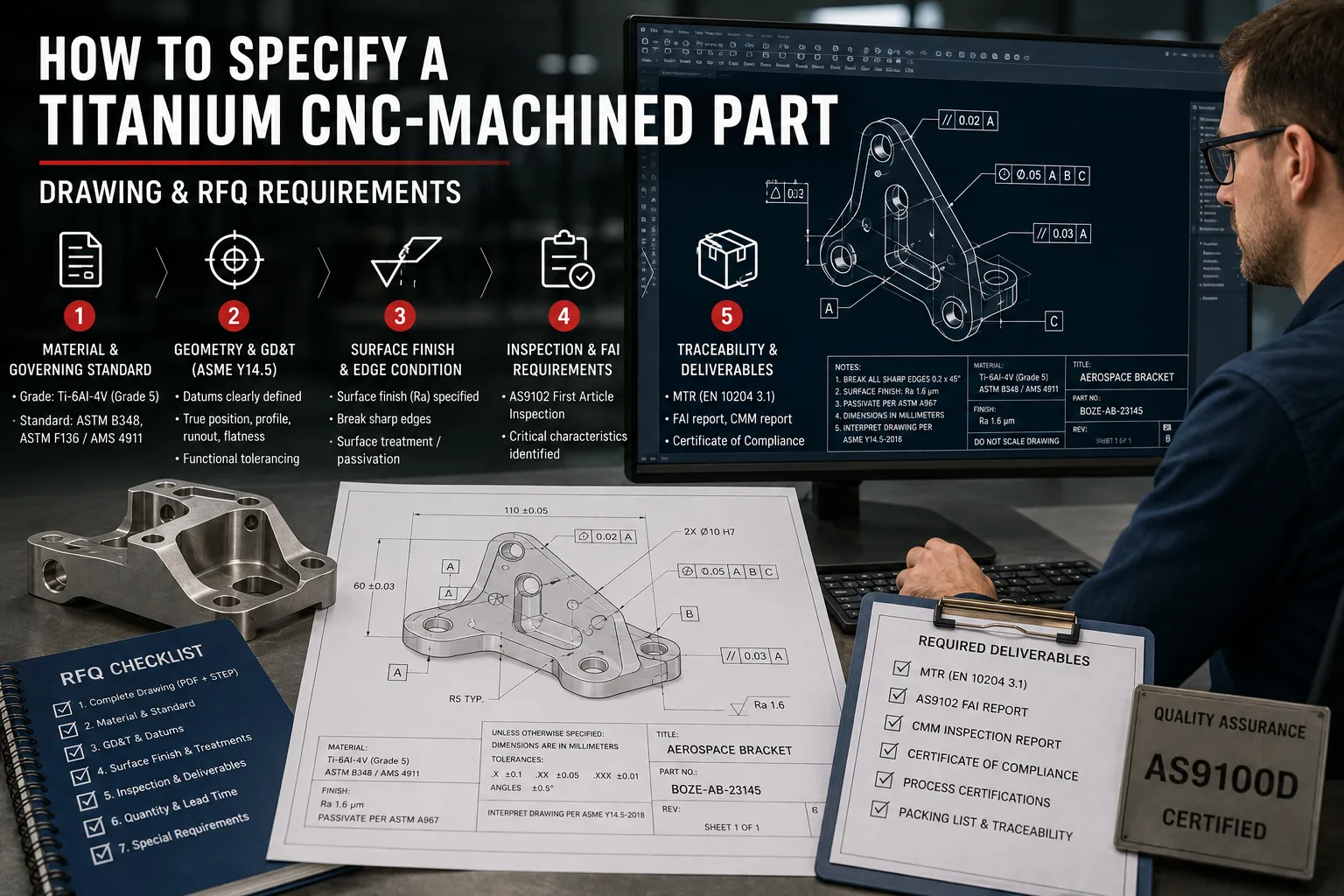
How to Specify a Titanium CNC-Machined Part — Drawing & RFQ Requirements
A mechanical / manufacturing engineer's 5-step procedure for writing a complete, unambiguous specification for a CNC-machined titanium part — grade, governing standard, ASME Y14.5 GD&T, surface finish, FAI / inspection scope, and traceability deliverables. References real drawing call-outs from aerospace, medical, and chemical-process projects.
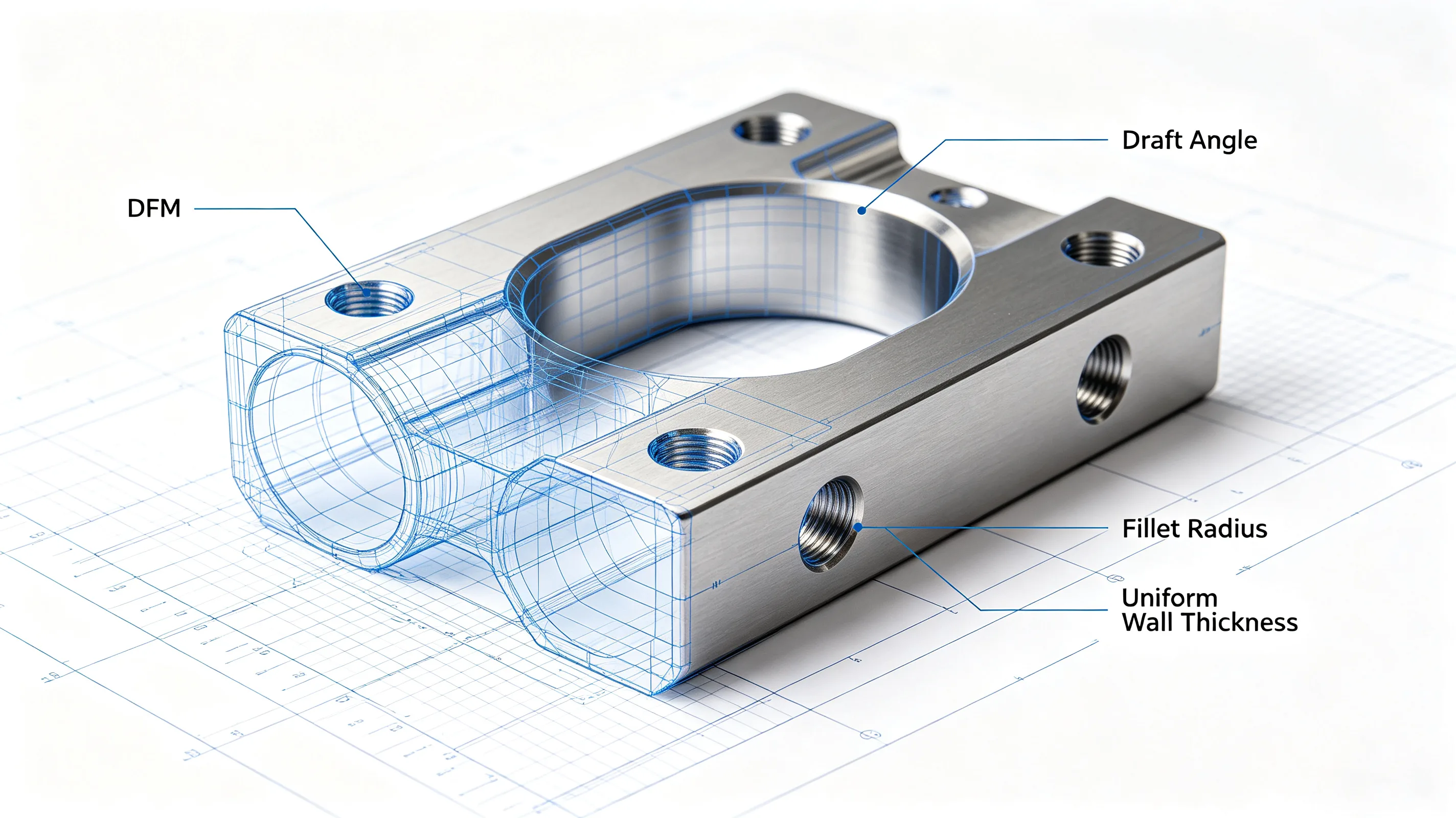
DFM Guide for Titanium Parts — Design for Manufacturability in CNC Machining
An engineering design-for-manufacturability guide for titanium CNC machined components — design rules that reduce machining cost and improve quality, feature geometry guidelines for titanium-specific constraints, and practical examples of design changes that simplify production.
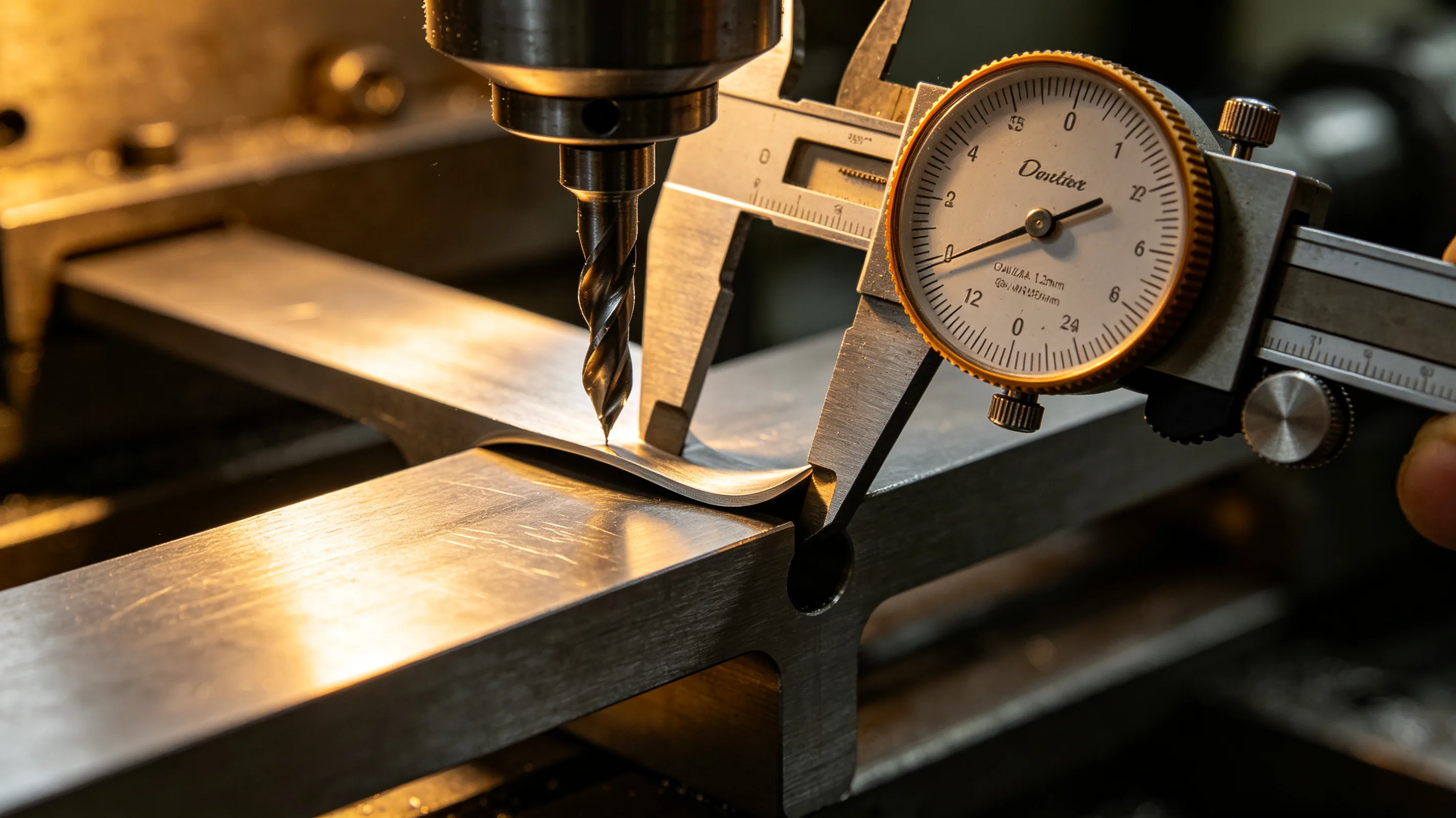
Thin Wall Titanium Machining Guidelines — Process Strategies for Dimensional Stability
Engineering guidelines for thin-wall titanium machining — how wall aspect ratio determines process strategy, toolpath approaches for minimizing deflection, fixturing methods that support thin features, and practical limits for wall thickness relative to height.

Titanium CNC Design Guide — Engineering Rules for Machinability and Precision
An engineering design guide for titanium CNC machined components — wall thickness guidelines, minimum radii, pocket depth limits, tool accessibility considerations, tolerance capability by feature type, and design-for-manufacturability rules specific to titanium alloys.
Problems & Solutions
17 articles
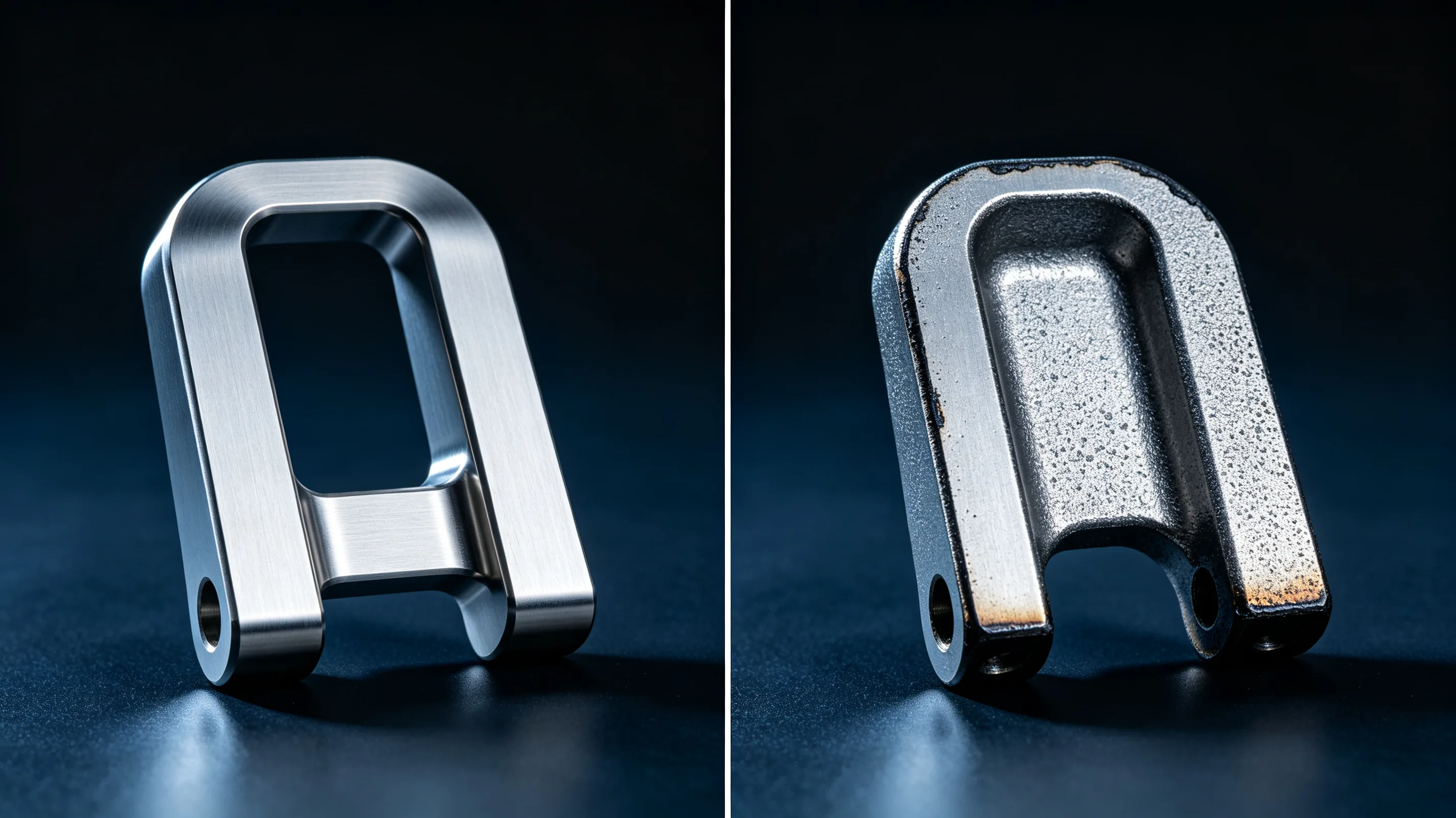
How to Machine Thin-Wall Titanium Parts Without Distortion
Engineering strategies for machining thin-wall titanium parts without distortion — process sequencing, toolpath control, fixture design, and in-process compensation for stable dimensions.
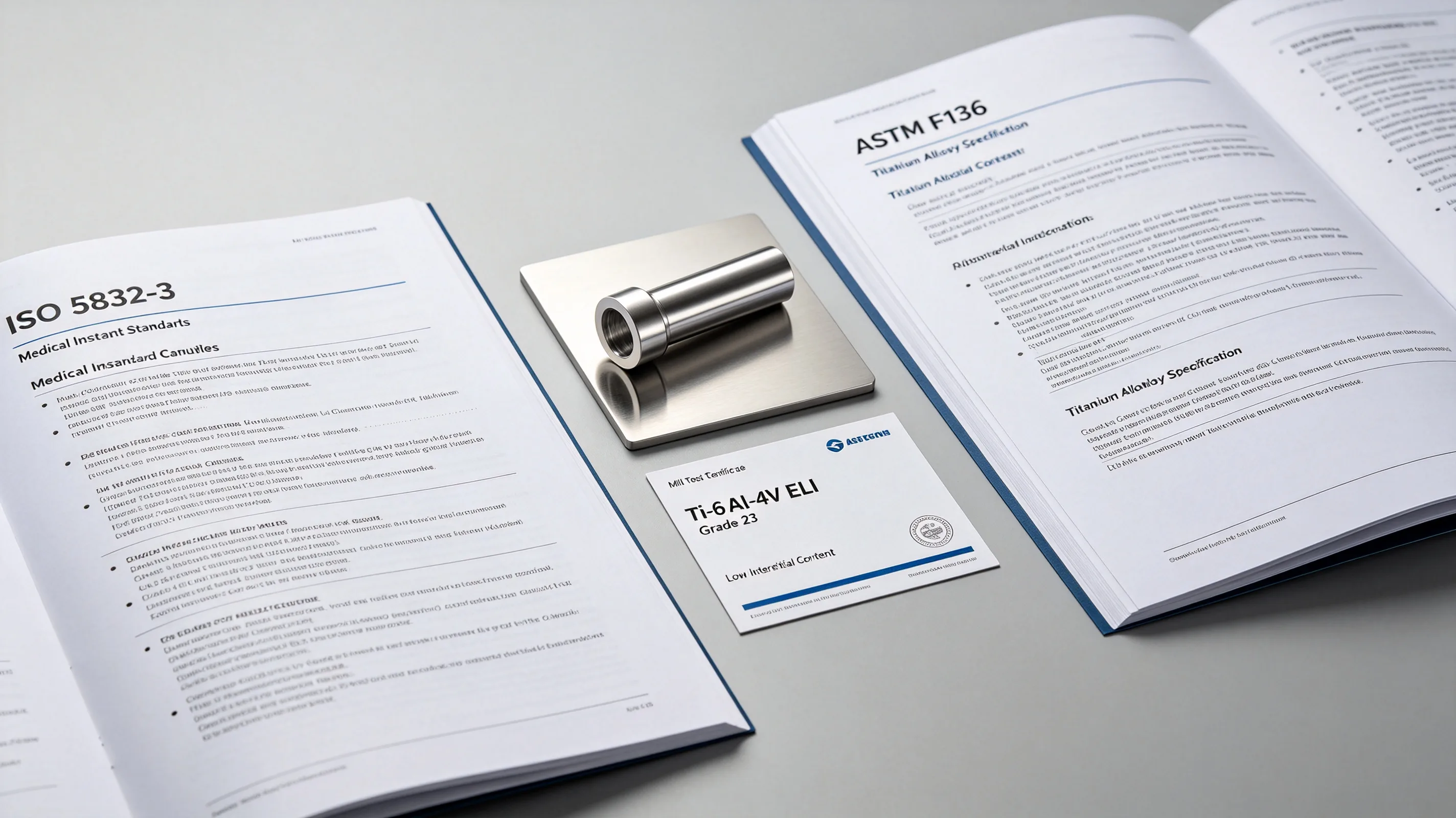
Is Titanium Difficult to Machine? A Practical Guide to Titanium Machinability
A practical guide to titanium machinability — how titanium compares to aluminum, steel, and stainless steel, what makes it harder to cut, and when the difficulty justifies the performance benefits in aerospace, medical, and industrial applications.
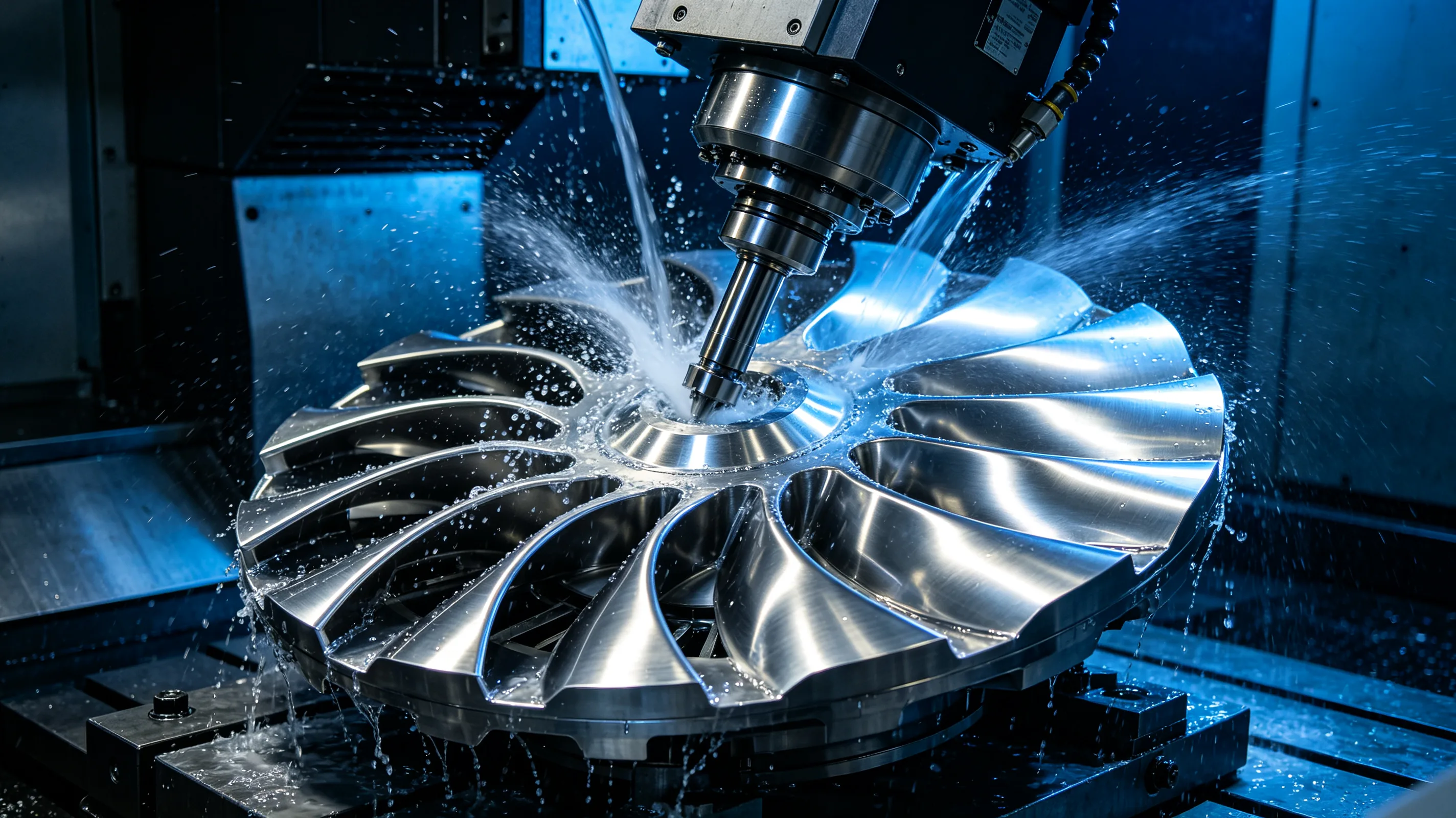
5-Axis Machining for Titanium Parts: When Is It Necessary?
A decision guide for 5-axis titanium machining — when complex geometry, tight tolerances, and setup reduction justify 5-axis over 3-axis, and how to evaluate cost and capability.
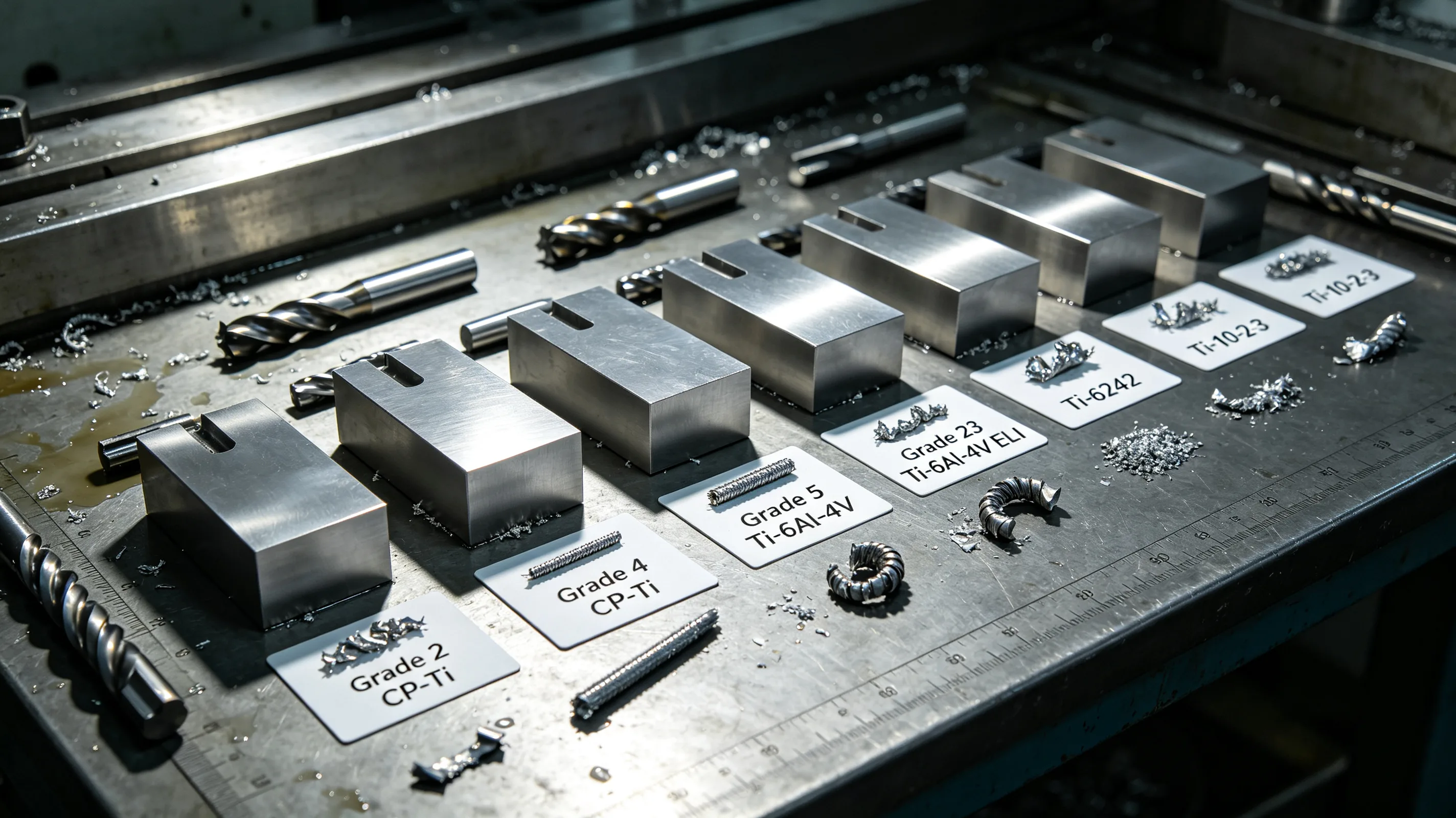
Titanium Machinability Rating: How Different Titanium Grades Compare
A comparative guide to titanium machinability ratings across commercially pure grades, alpha-beta alloys, and beta alloys. Understand how grade selection affects cutting speed, tool life, and process cost.
Quality & Standards
18 articles
5-Year CMM Total Cost of Ownership for Aerospace Machining Startups
An engineering cost analysis of owning a coordinate measuring machine over five years for an aerospace machining startup. Covers CAPEX vs OPEX split, calibration cycles, software seats, metrology room readiness, and the operating-cost items that compound over time.
AS9100 Certified Titanium Machining: Quality Auditing and Traceability Standards
A quality engineering guide to AS9100 certification as it applies to titanium machining suppliers. Covers the AS9100D revision structure, audit findings common to machining shops, traceability chain requirements, and procurement rules for qualifying an AS9100 titanium supplier.
ASME SB348 vs ASTM B348: Titanium Bar Standards for Pressure Vessels
A specification comparison of ASME SB348 and ASTM B348 for titanium bar stock. Covers BPVC adoption mechanics, ASME QSC requirements, code-stamp implications, and procurement rules for pressure vessel, heat exchanger, and nuclear applications.
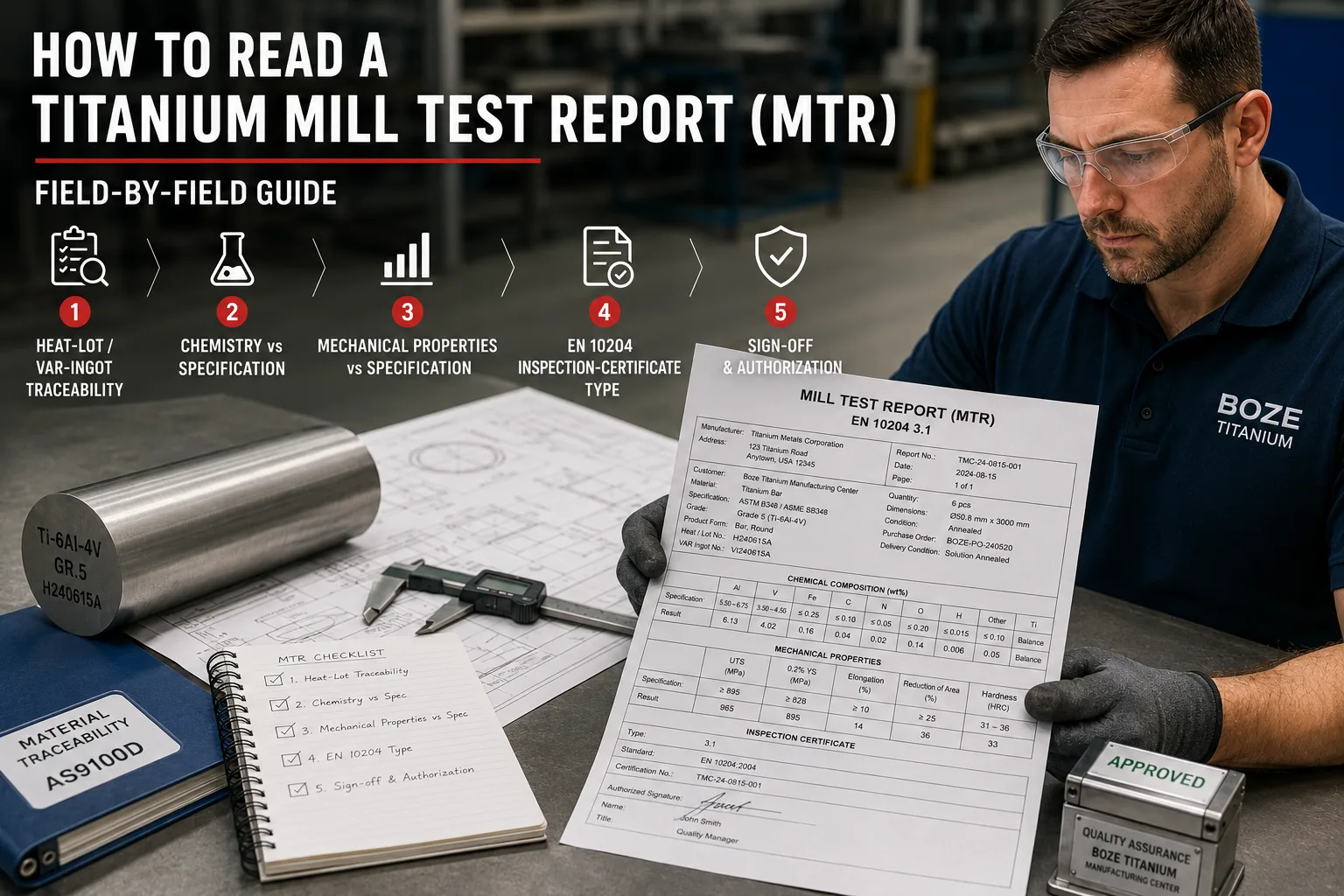
How to Read a Titanium Mill Test Report (MTR) — Field-by-Field Guide
A quality engineer's 5-step procedure for validating a titanium Mill Test Report (MTR): heat-lot / VAR-ingot traceability, chemistry vs specification, mechanical properties vs specification, EN 10204 inspection-certificate type, and sign-off. Includes real MTR field-value examples for Grade 2 / Grade 5 / Grade 23.
Applications & Industries
10 articles
5-Axis Machined Titanium Medical Implants: FDA Submissions and Material Sourcing
A regulatory and process engineering guide to 5-axis machined titanium medical implants. Covers FDA 510(k) and PMA submission pathways, ASTM F136 and ISO 5832-3 material sourcing, machining process validation, and the supplier qualification framework for implant manufacturers.
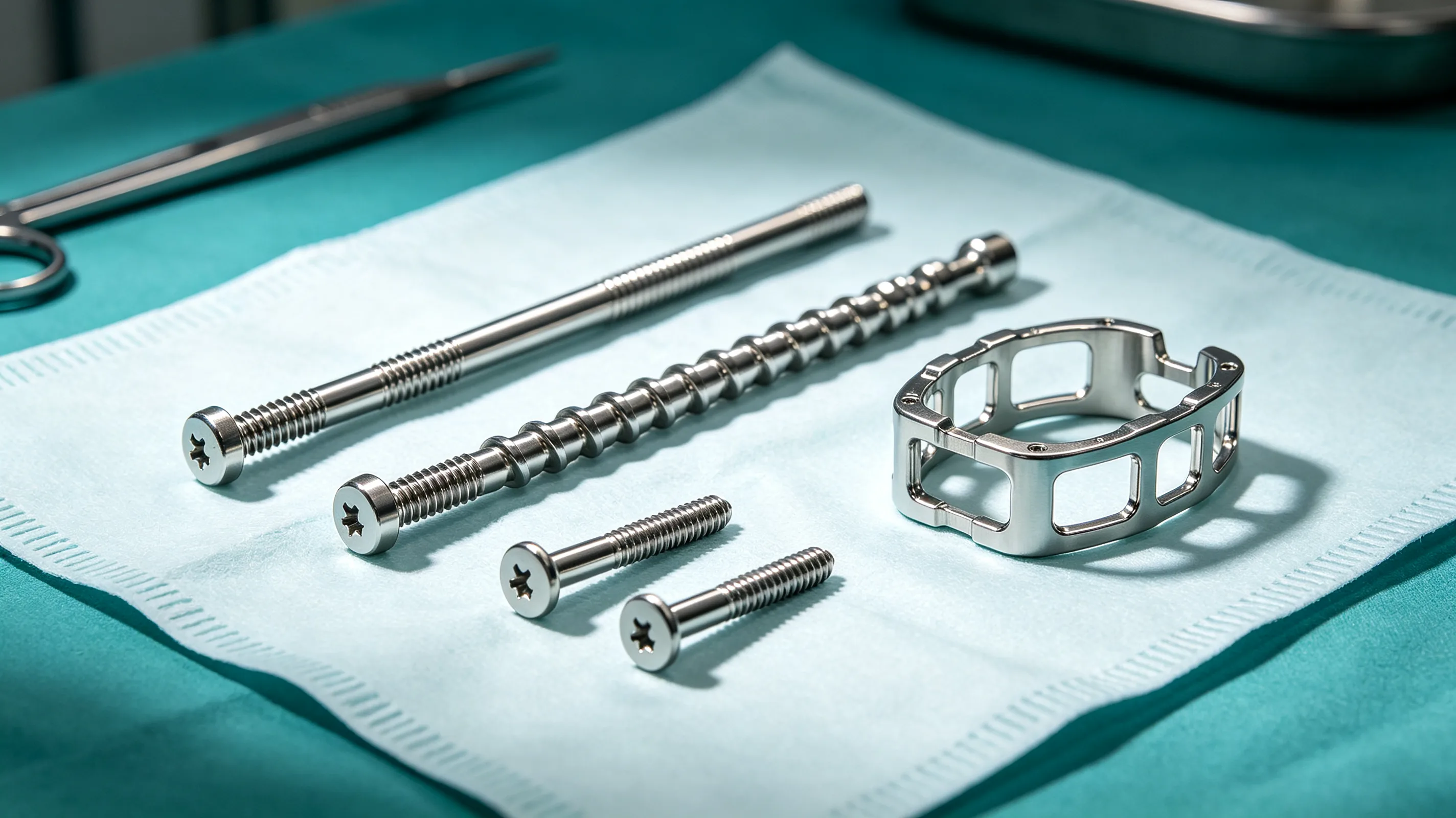
Ti-6Al-4V ELI (Grade 23) in Spinal Surgery: Material Selection Guide for Implant Manufacturers
A technical guide to Grade 23 Ti-6Al-4V ELI for spinal implant applications — biomechanical rationale for ELI in spinal constructs, material requirements for pedicle screws, spinal rods, and interbody cages, applicable standards (ASTM F136, ISO 5832-3), surface treatment options for osseointegration, machining and quality requirements specific to spinal implant manufacturing, and procurement guidelines for spinal device companies.
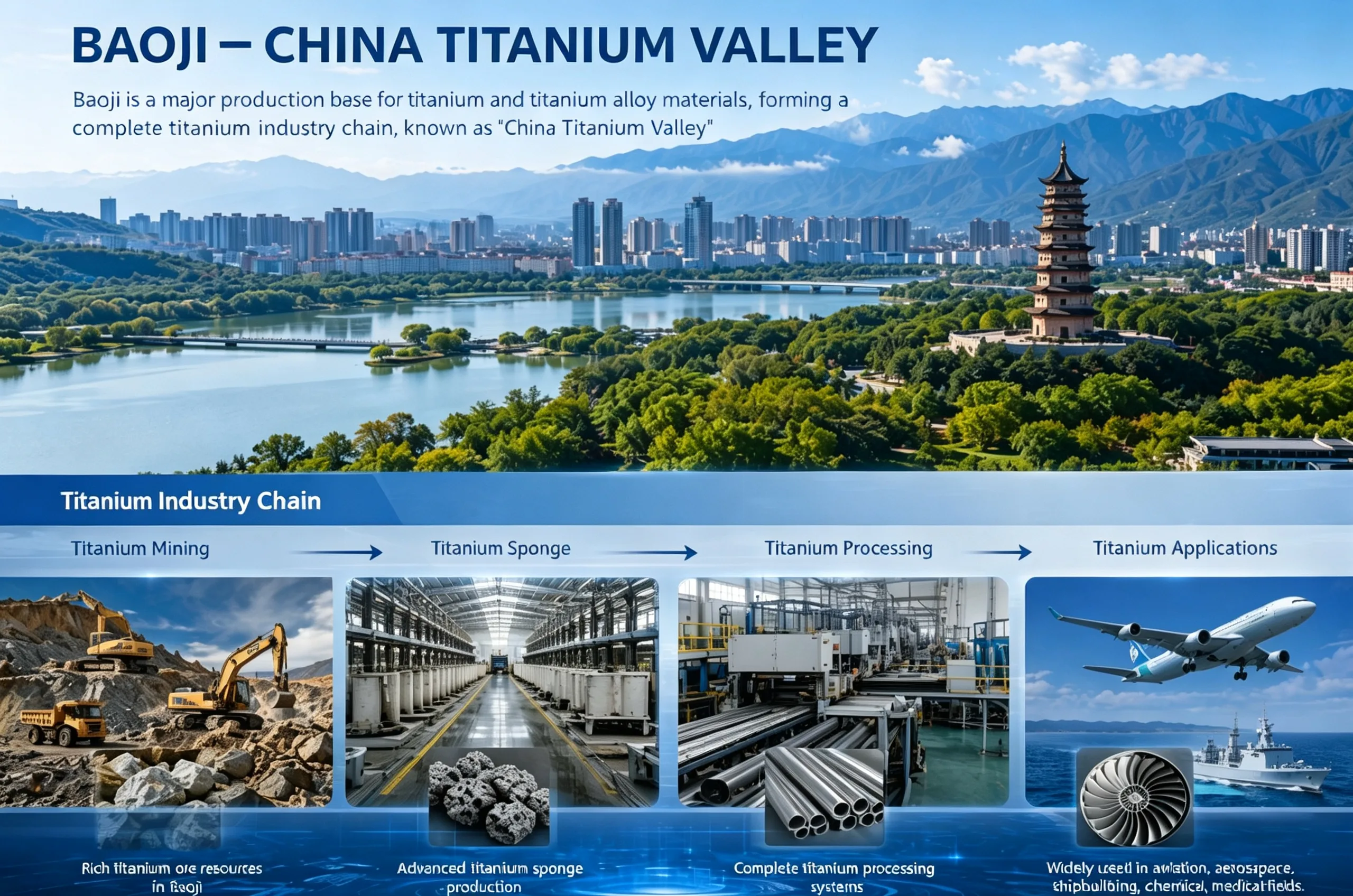
Why Is Baoji Known Globally as "China Titanium Valley"?
Why Baoji is called China Titanium Valley — the industrial history behind the label, what the production scale really means for buyers, and the qualification checks every procurement team should run before sourcing titanium from the cluster.
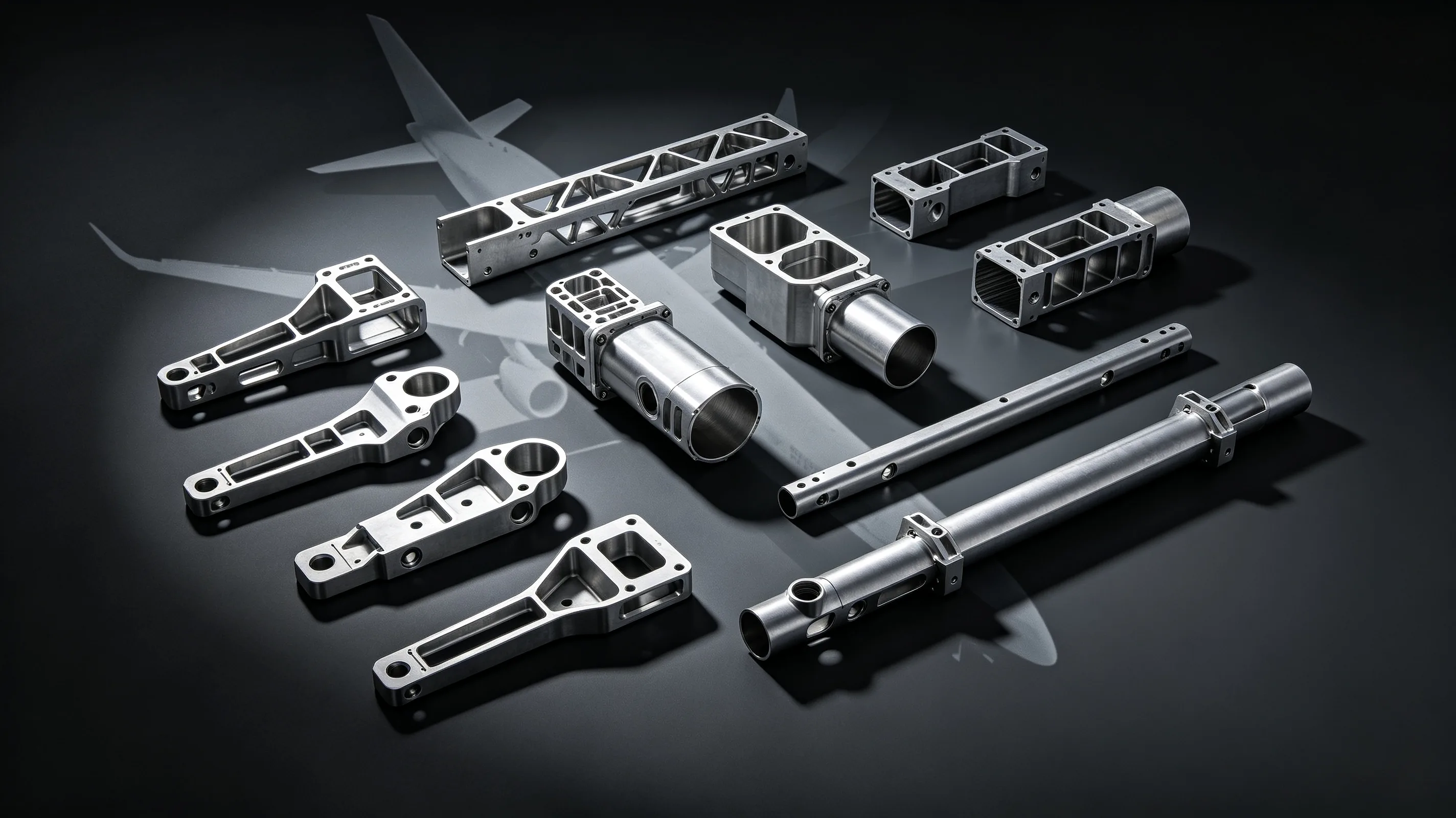
Aerospace Titanium Components — Manufacturing Challenges and Engineering Solutions
An engineering analysis of manufacturing challenges specific to aerospace titanium components — thin-wall structural parts, tight tolerance requirements, material traceability and certification compliance, and process control strategies for AS9100D production environments.
Procurement & Services
10 articles
Managing Supply Chain and Email Cyber Security Risks in Digital Manufacturing Procurement
An operational security analysis of cloud-based RFQ platforms and email-driven specification exchange in aerospace and medical machining procurement. Covers look-alike domain impersonation, reply-chain injection, mill test report integrity, and procedural controls that reduce procurement fraud risk.
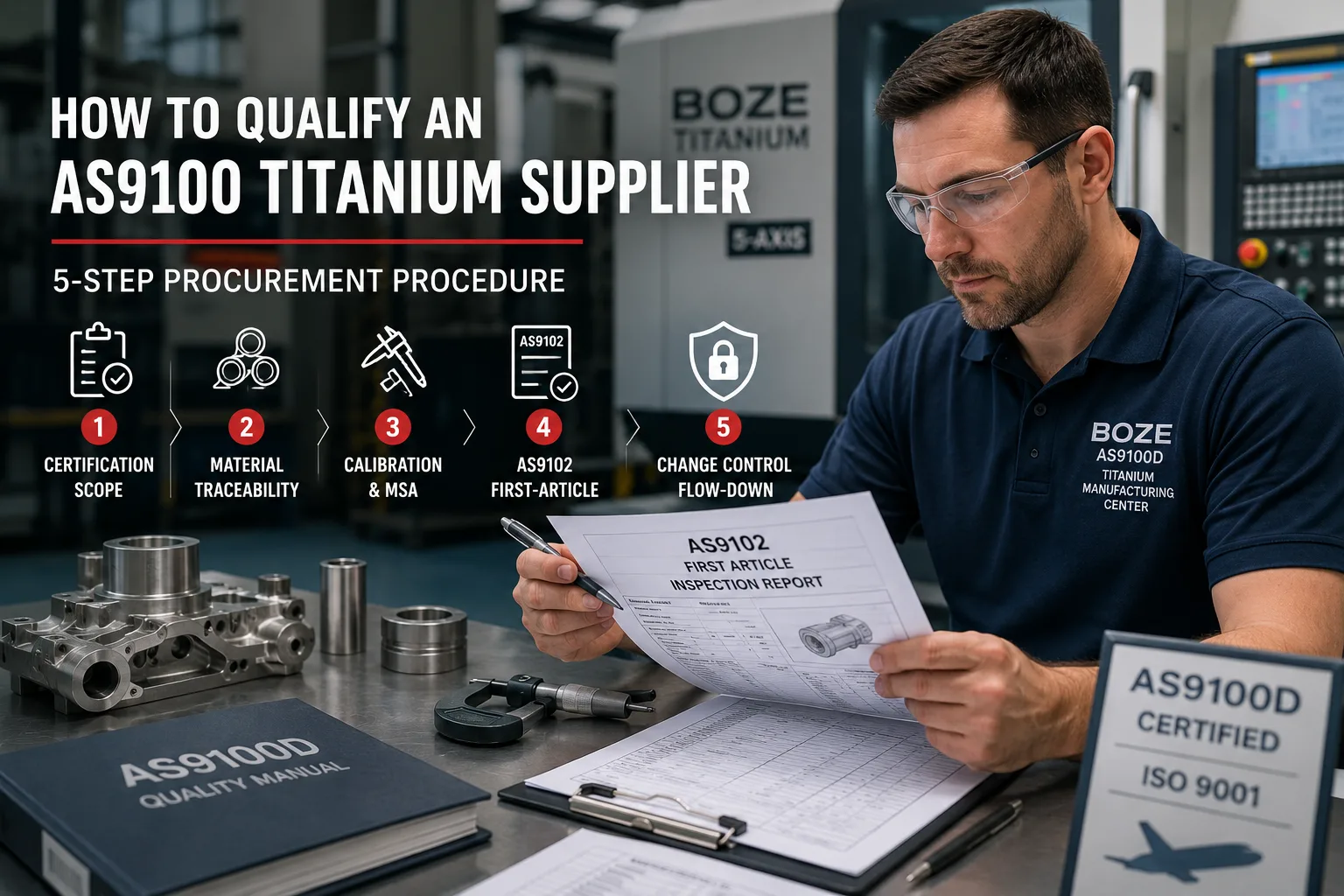
How to Qualify an AS9100 Titanium Supplier — 5-Step Procurement Procedure
A procurement-quality engineer's 5-step procedure for qualifying an AS9100D-certified titanium machining supplier. Covers certification scope, material traceability, calibration / MSA, AS9102 first-article, and change-control flow-down (DFARS / ITAR). References real shop-floor evidence from Boze's AS9100D program.

How to Choose a Titanium CNC Machining Supplier — Evaluation Framework for Buyers
A practical evaluation framework for selecting a titanium CNC machining supplier — technical capability assessment criteria, quality system verification, communication and engineering support evaluation, and practical steps for RFQ preparation and supplier qualification.
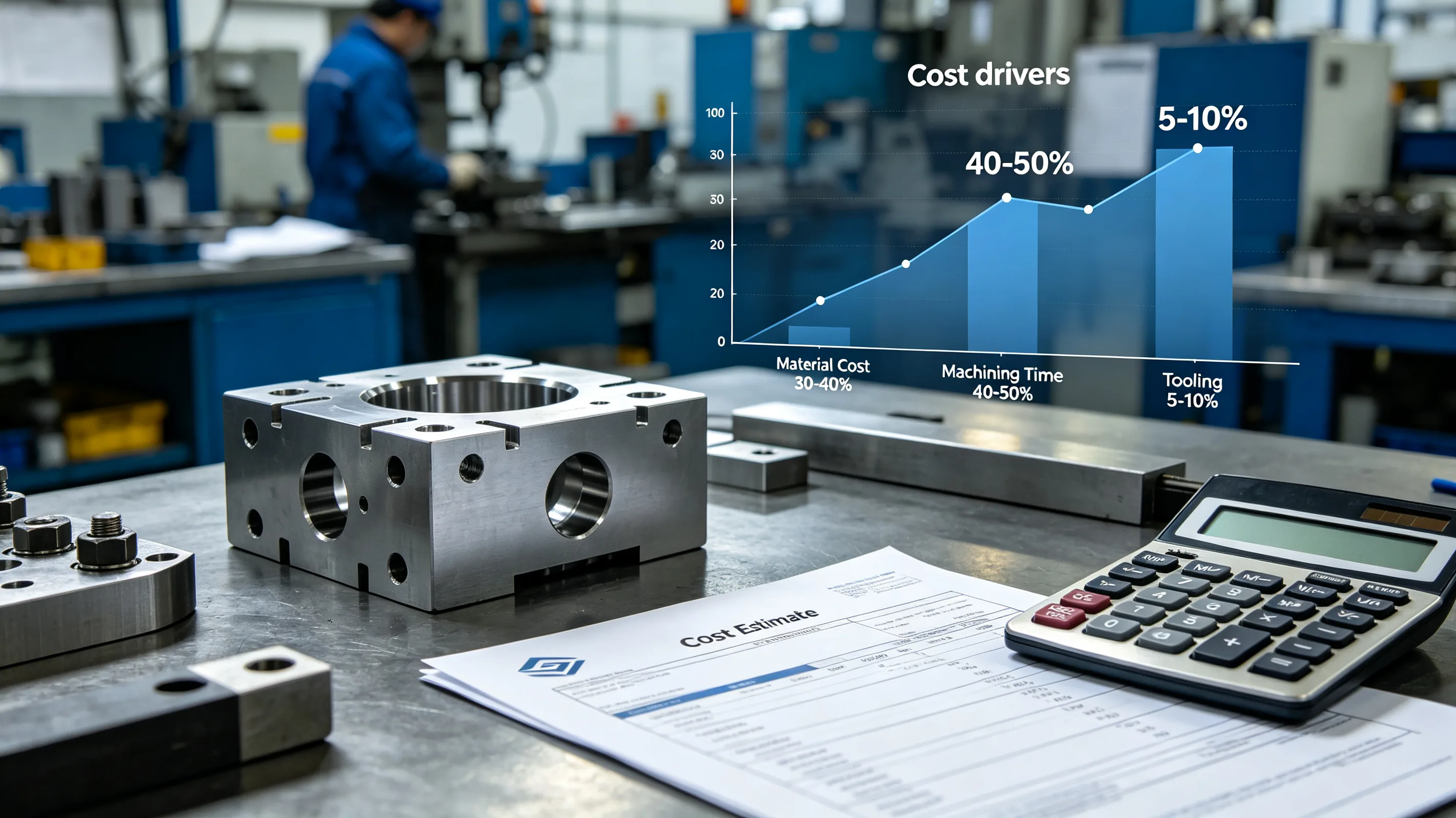
Titanium CNC Machining Cost Factors — What Drives Pricing for Precision Components
An engineering assessment of cost drivers for titanium CNC machining — material cost and availability by grade, machining time and tooling cost factors, the effect of tolerance and geometry complexity on pricing, and practical cost reduction strategies for component design and procurement.
Stay Ahead in Precision Manufacturing
Subscribe to our newsletter for the latest insights on CNC machining, titanium manufacturing, and industry innovations.
One Metal. One Focus. Infinite Precision.
Founded in 2011 in Baoji's Titanium Valley, BOZE Metal is dedicated exclusively to titanium — from raw material to precision engineering. AS9100D, ISO 13485 & ISO 9001 certified with 500+ clients across Aerospace, Medical & Motorsport industries, we deliver end-to-end precision titanium CNC machining with full material traceability from source to component.
Boze Titanium Manufacturing Center is operated by Baoji Boze Metal Products Co., Ltd.
Certifications verified by NADCAP and compliant with ASTM International titanium standards (B265, B348, B381, F136, F2924) and ISO 13485 medical-device QMS.